
The signature of a North Shore spring, and the three reasons the disappointing ones disappoint.
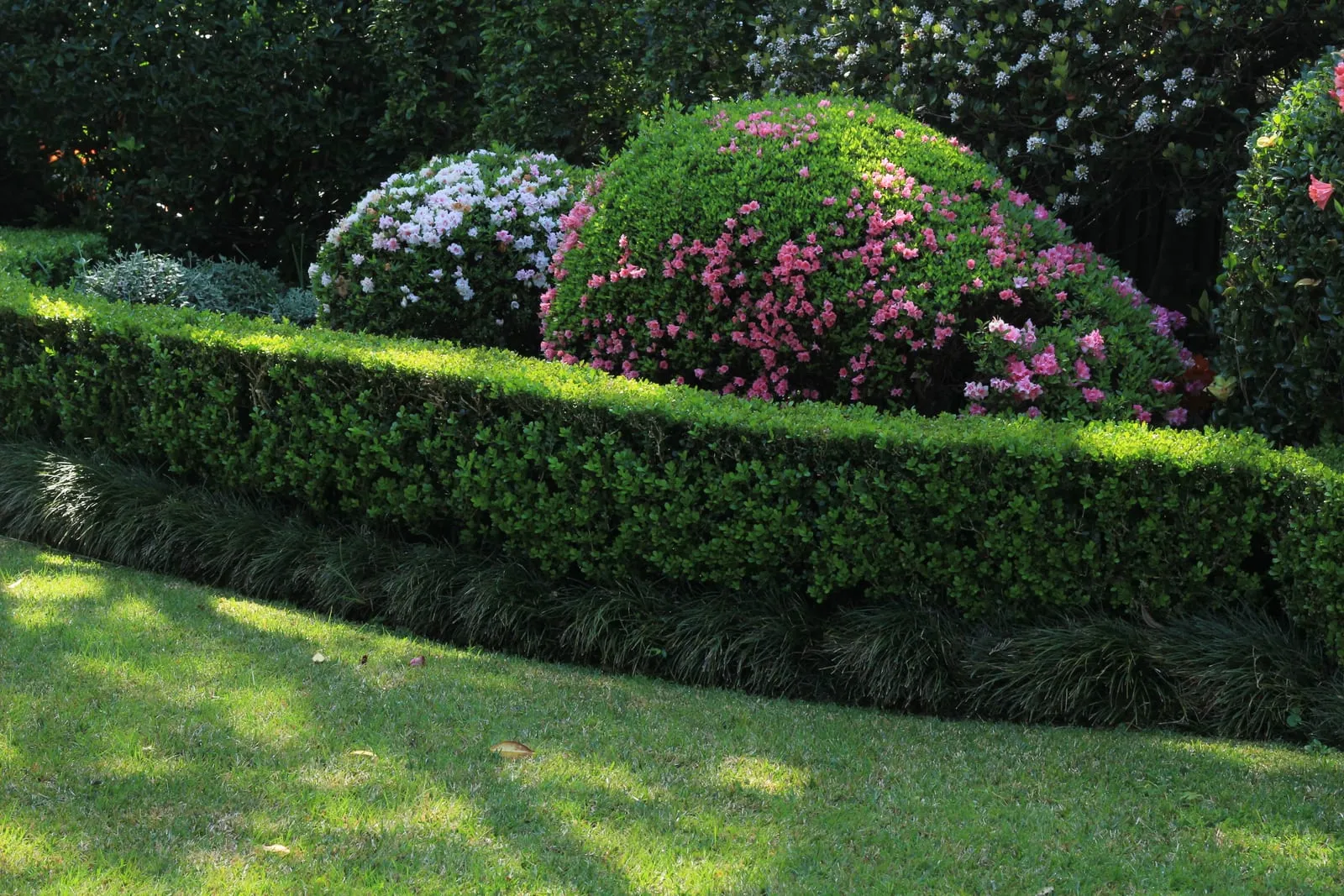
For a few weeks each spring the North Shore turns. Azaleas that have been quiet green mounds for eleven months open all at once, and streets in Wahroonga, Pymble and Killara look briefly like a different suburb. They have been planted here for generations, and there is a good reason for that: this is close to ideal country for them.
Which makes the failures more frustrating. A struggling azalea in Ku-ring-gai is almost never struggling because of the climate. It is one of three things, and all three are fixable.
Azaleas want acidic soil, dappled light, and moisture without waterlogging. The first of those you get for free: soils across Ku-ring-gai run naturally acidic, commonly between pH 4.5 and 5.5 on the sandstone country and a little higher on the shale ridge, which sits neatly in the range azaleas prefer. You do not need to acidify anything. What you need to do is avoid raising the pH, which is why lime and dolomite should stay well away from an azalea bed, and why a plant next to a new concrete path or a mortared wall sometimes turns yellow between the leaf veins as lime leaches out of the masonry.
The second, dappled light, is what the established tree canopy provides. Azaleas take morning sun happily and resent hot afternoon sun, which scorches foliage and, as we will get to, invites the pest that does most of the damage here. The best azaleas on the shore are almost always growing on the east side of something, or under a high canopy that filters the middle of the day. For more on what else thrives in those conditions, see our note on shade-tolerant planting.
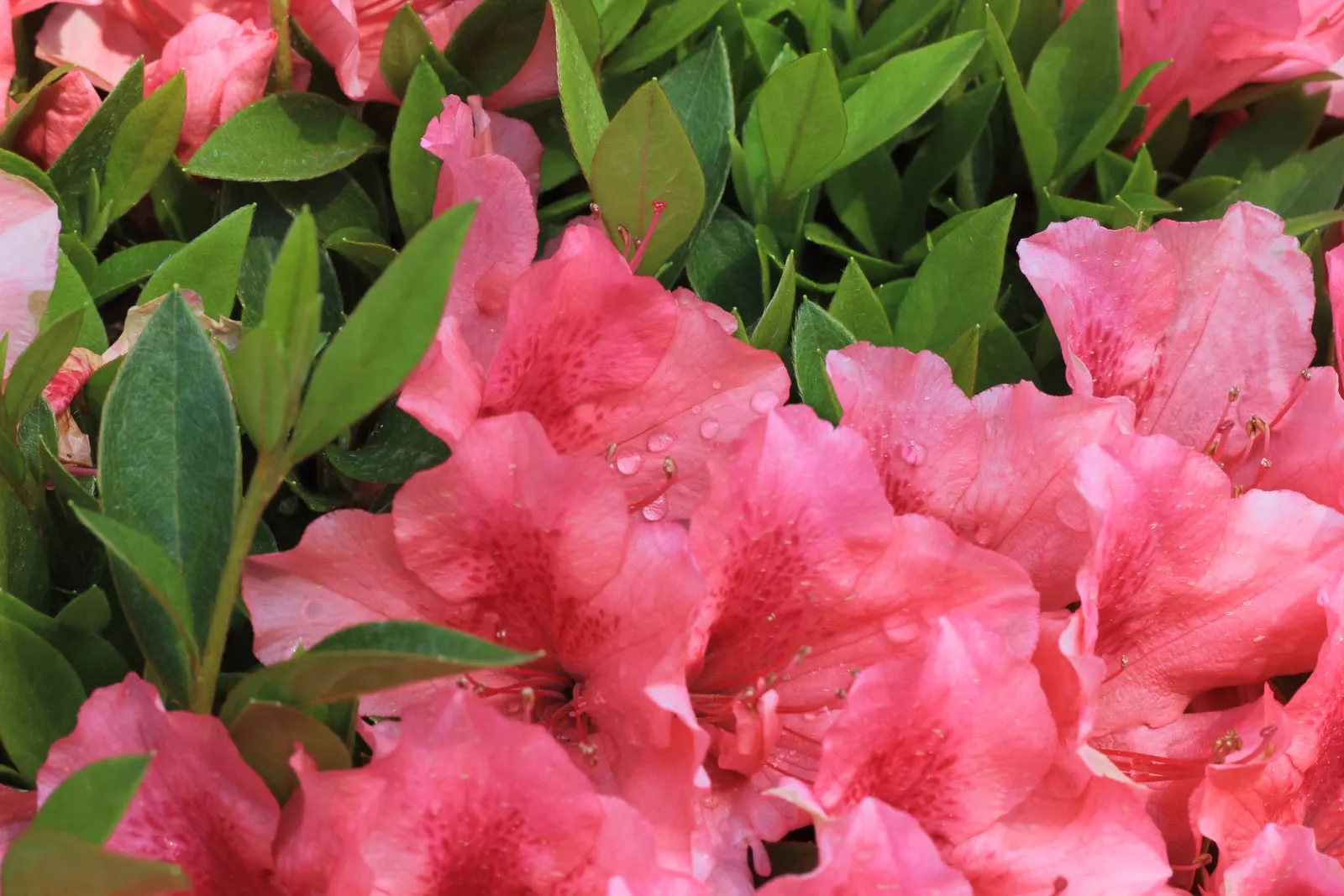
Azaleas have shallow, fine, fibrous roots sitting in the top few centimetres of soil. Almost every piece of azalea advice follows from that one fact.
Azalea lace bug is the big one, and it is everywhere on the North Shore. The tell is a fine silvery or bronzed stippling across the upper leaf surface, as though the colour has been bleached out. Turn the leaf over and you will find small shiny black spots. Badly affected plants look grey from a distance and flower poorly.
You can spray, but the more useful insight is that lace bug punishes stressed plants. Infestations are consistently worse on azaleas in too much sun, in dry soil, or with no mulch. Fix the position and the watering and the problem often drops to a level you can live with, which is a better outcome than an annual spraying commitment.
Petal blight is the one that breaks hearts, because it takes the display and nothing else. In a warm, wet spring, the flowers develop small watery spots, then collapse into brown slime and hang on the bush instead of dropping. The plant is unharmed. The season is gone. The spores carry over in the fallen petals beneath the plant, so clearing that litter matters, as does airflow through the bush. Where a garden has a history of it, a preventative fungicide as the buds show colour is the only reliable answer, and it has to go on before the damage appears.
Drying out in summer is the quiet killer, and it is usually blamed on something else months later. An azalea that goes short of water in February often looks fine at the time and then flowers poorly the following spring, because the buds were being set during exactly the period it was struggling. Water deeply and less often rather than lightly and daily.
Prune immediately after flowering finishes, generally October or early November here. Azaleas form next spring's buds through summer and autumn, so anything you cut from about December onward is next season's display going into the bin.
Within that window they are forgiving. A light shape is enough for most plants, and an old, leggy, hollow azalea can be cut back hard and will usually reshoot from bare wood, which is unusual and very useful. Renovating an overgrown fifty-year-old azalea is nearly always a better proposition than replacing it. The same logic applies across established gardens here, as we cover in the North Shore pruning calendar.
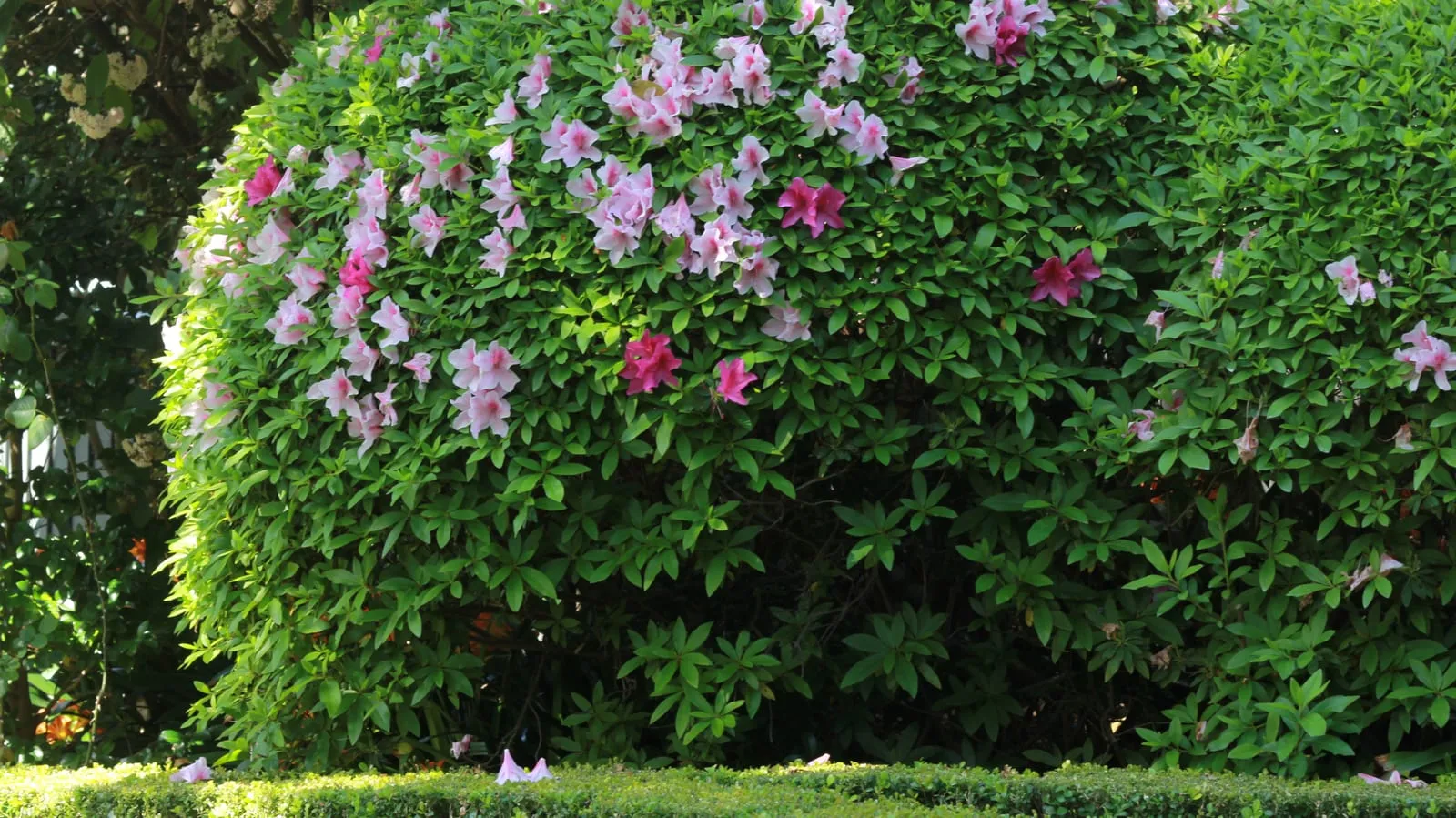
Less than people think. Feed once after flowering with a fertiliser formulated for azaleas and camellias, which is acidic and appropriately gentle. Avoid general-purpose fertilisers high in phosphorus, and avoid feeding late in the season, which pushes soft growth into the cold. Yellowing between green veins usually means iron is locked up rather than absent, and is corrected with iron chelate plus a look at whether something nearby has raised the pH.
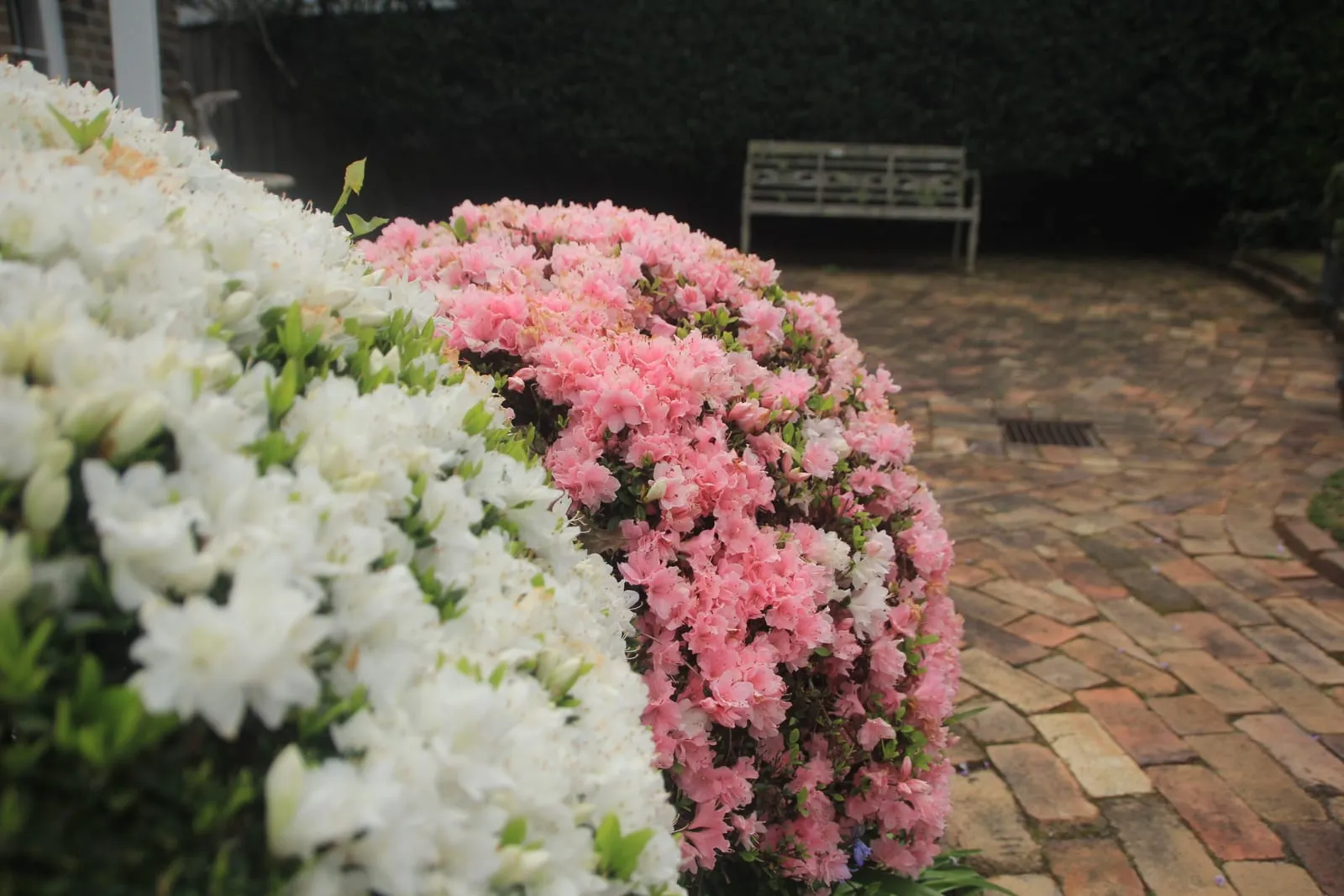
The most common design mistake is buying one of everything. Azaleas flower with total commitment, and five colours flowering at once in a small garden fight rather than combine. A mass of a single colour, repeated, is what produces the effect people admire in the older gardens here.
White is the safest and most useful, particularly in shade, where it lifts a dark bed in a way the pinks cannot. The corals and salmons are the classic Indica shades and are best given room. If you want to mix, hold it to two colours that sit near each other, and let one dominate.
It is also worth staggering the flowering. Kurume azaleas, with their smaller leaves and denser habit, come earlier and clip well. The big Indica types carry the main spring display. Satsuki azaleas flower later, into November and December, and can extend the season by weeks if you have room for a third group.
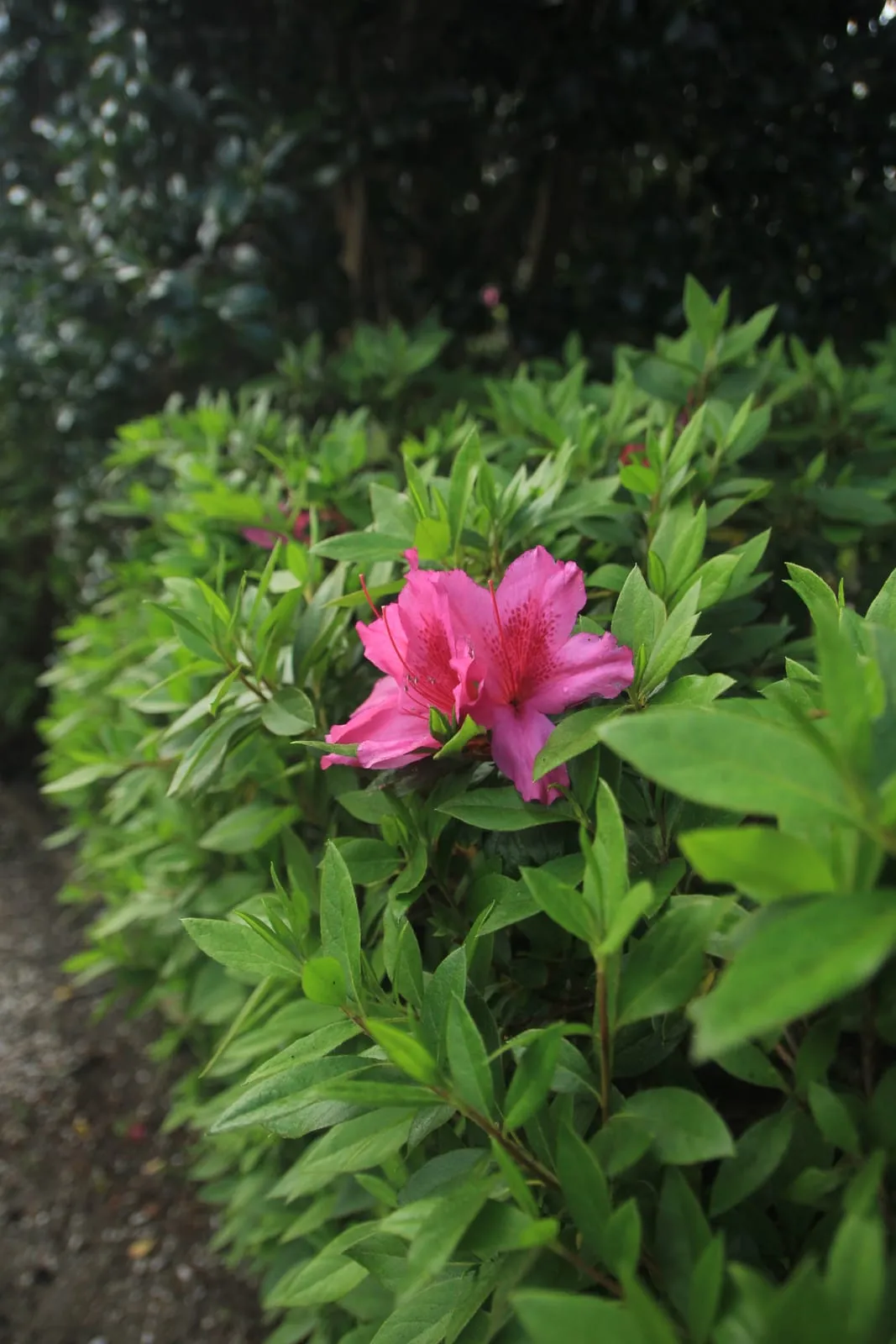
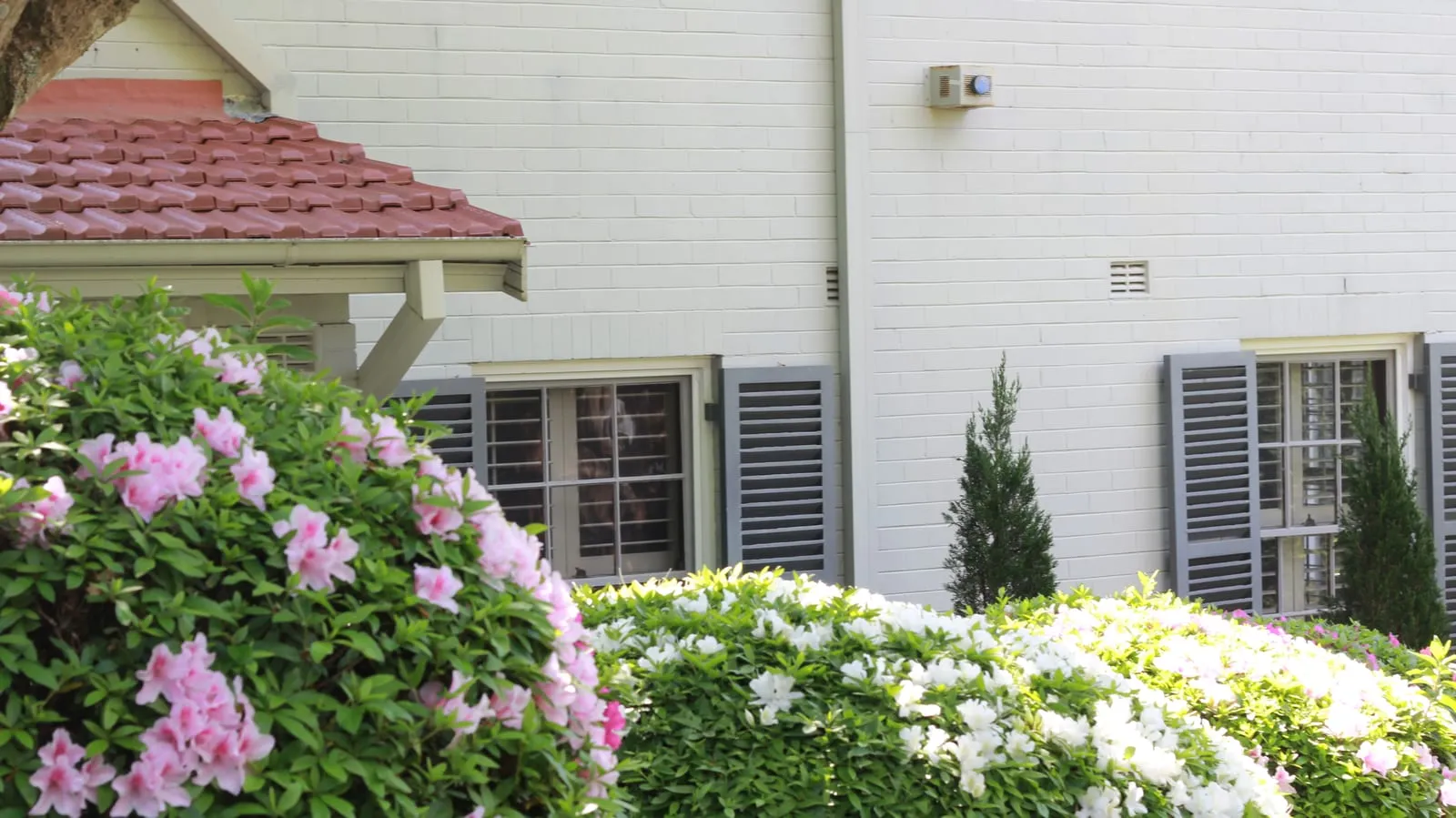
There is a practical reason azaleas are planted so heavily across the front gardens of this area. For a few weeks they do more for the look of a house from the street than anything else you could plant, and for the rest of the year they are a tidy evergreen mound that takes clipping and asks very little. Few plants earn their space that comprehensively.
If your azaleas have gone grey and thin, or they flowered poorly this year and you are not sure why, that is usually diagnosable in a single visit. Our horticulture services cover plant health assessment and seasonal care programs, and garden maintenance plans schedule the pruning in the window that actually protects next spring.
As soon as flowering finishes, usually October or early November. Azaleas set next spring's buds over summer and autumn, so a cut in January or later removes the flowers you were waiting for. If you only remember one thing about azaleas, make it this.
Almost certainly azalea lace bug. Turn a leaf over: if you see small shiny black spots, that is the confirmation. It is most severe on plants in too much sun or short of water, so shade, mulch and consistent watering do more to prevent it than spraying does to cure it.
Petal blight, a fungal disease that thrives in warm wet spring weather. Affected flowers collapse and hang on the bush rather than dropping cleanly. It only attacks the flowers, so the plant is not in danger, but the display is. Clear fallen petals away and improve airflow, since the spores overwinter in the litter beneath the plant.
More successfully than most shrubs. Azaleas have shallow, fibrous, compact root systems rather than deep taproots, so a mature plant can be lifted with a decent rootball and re-established. Do it in the cooler months, keep the water up through the first summer, and do not plant it any deeper than it was.
More on local conditions: when to prune on the North Shore, shade-tolerant planting and Ku-ring-gai soils.
Request a quote for a plant health assessment or a seasonal care program. We reply the same day.